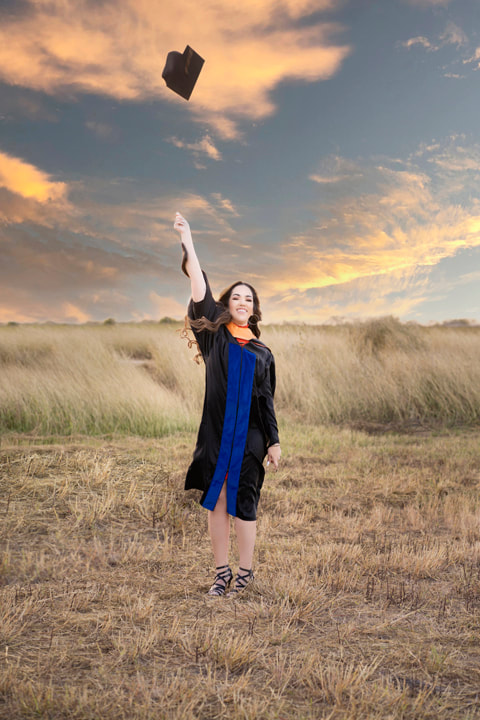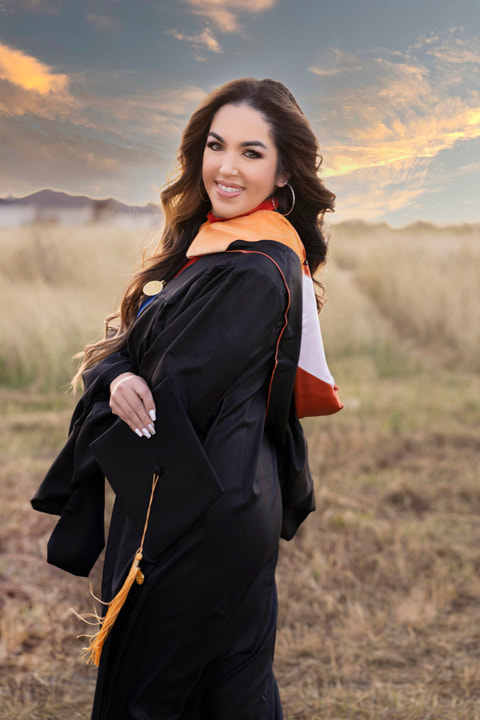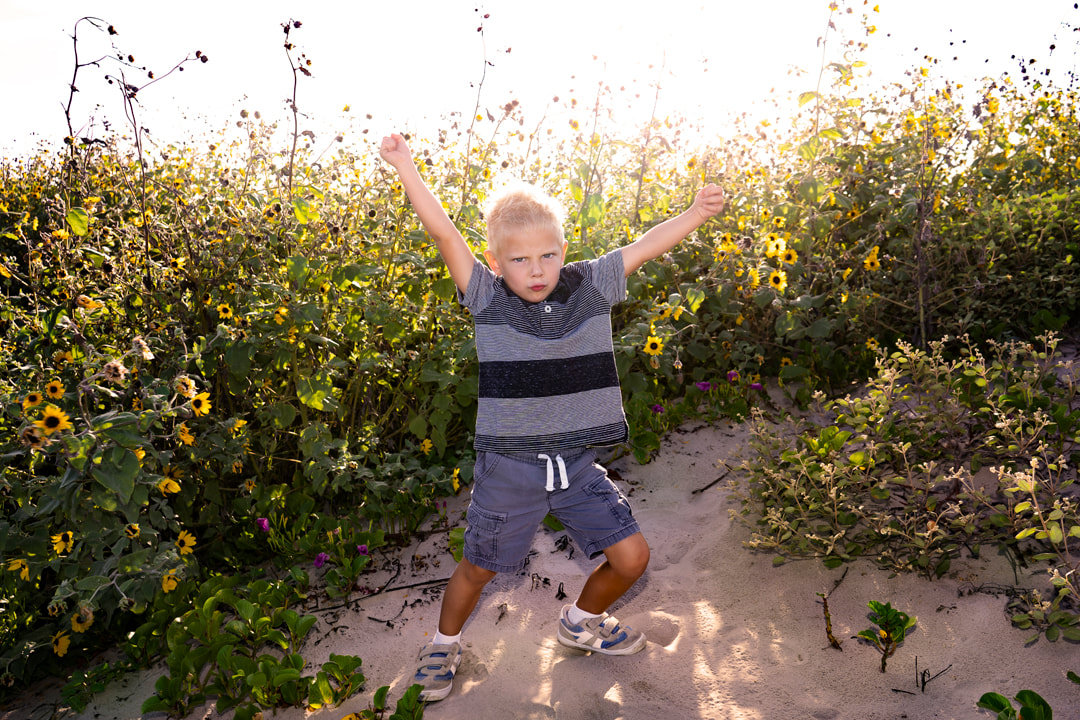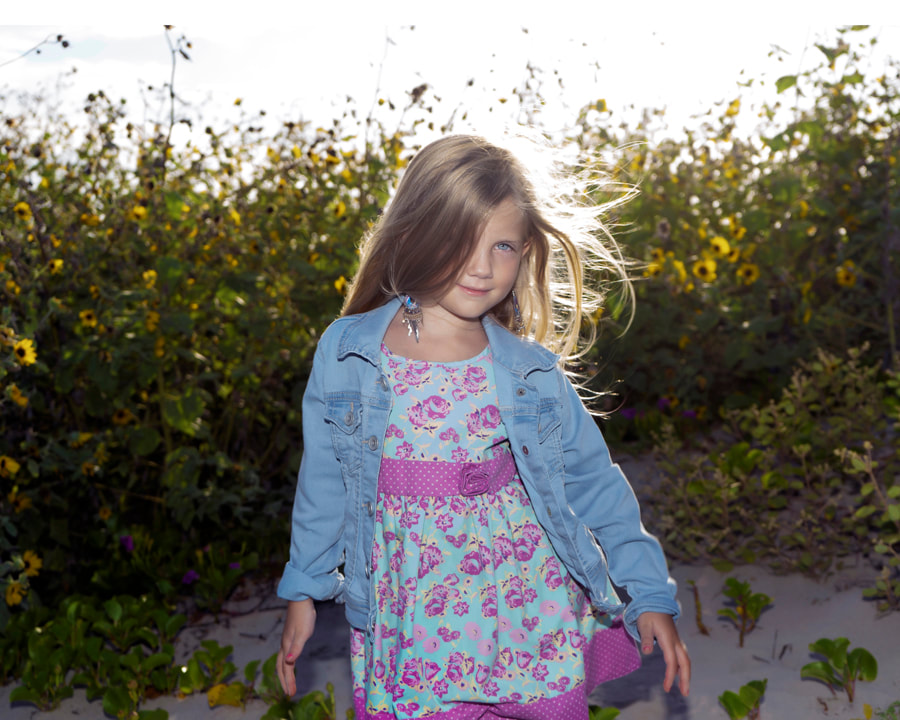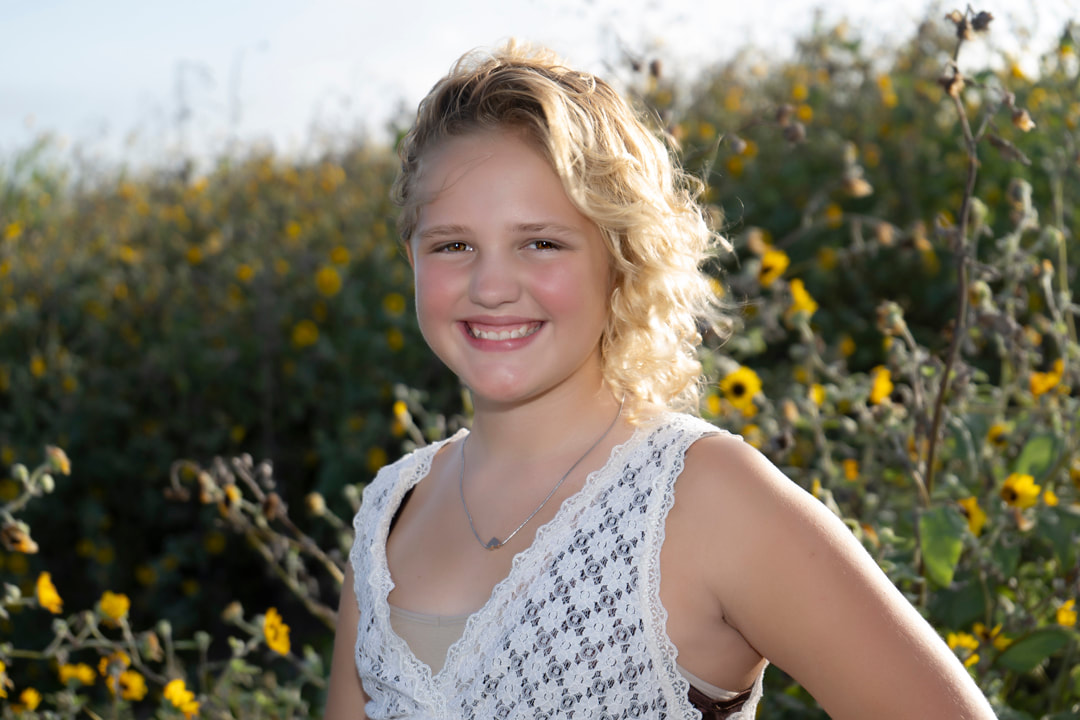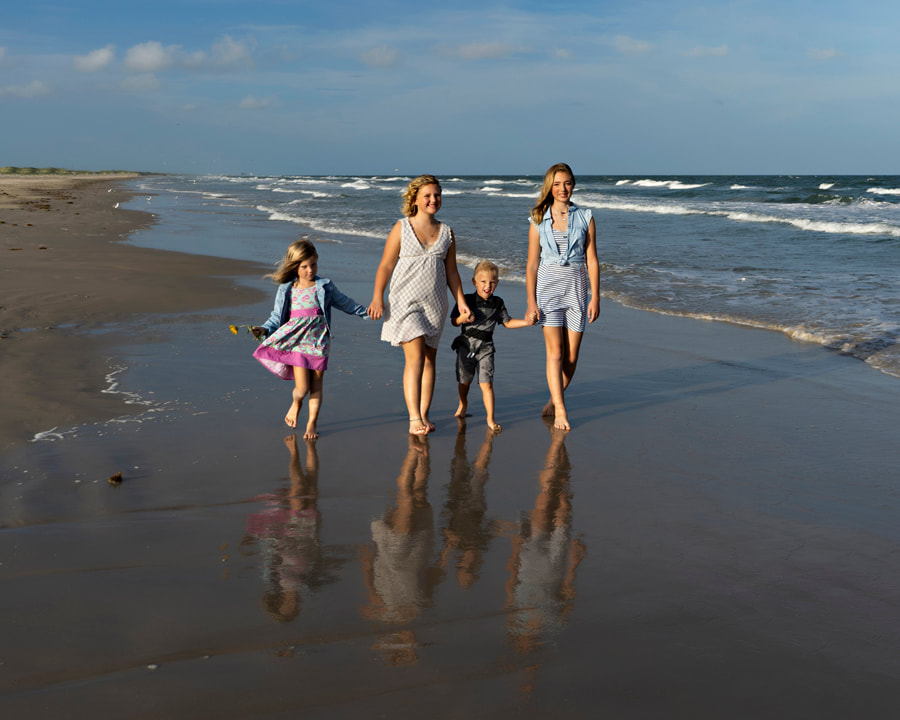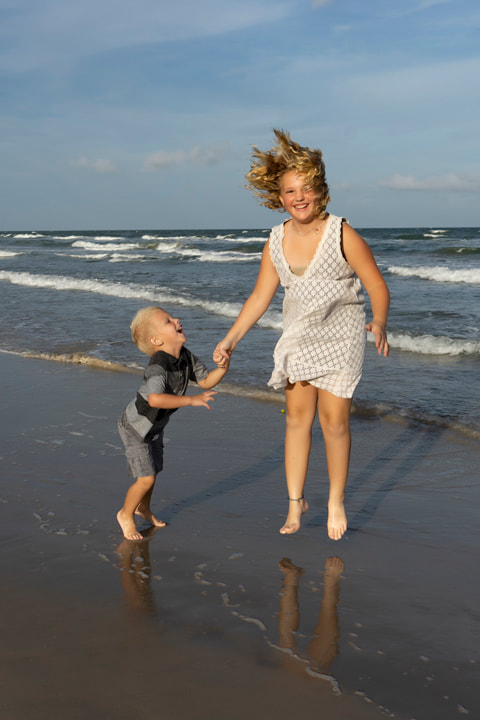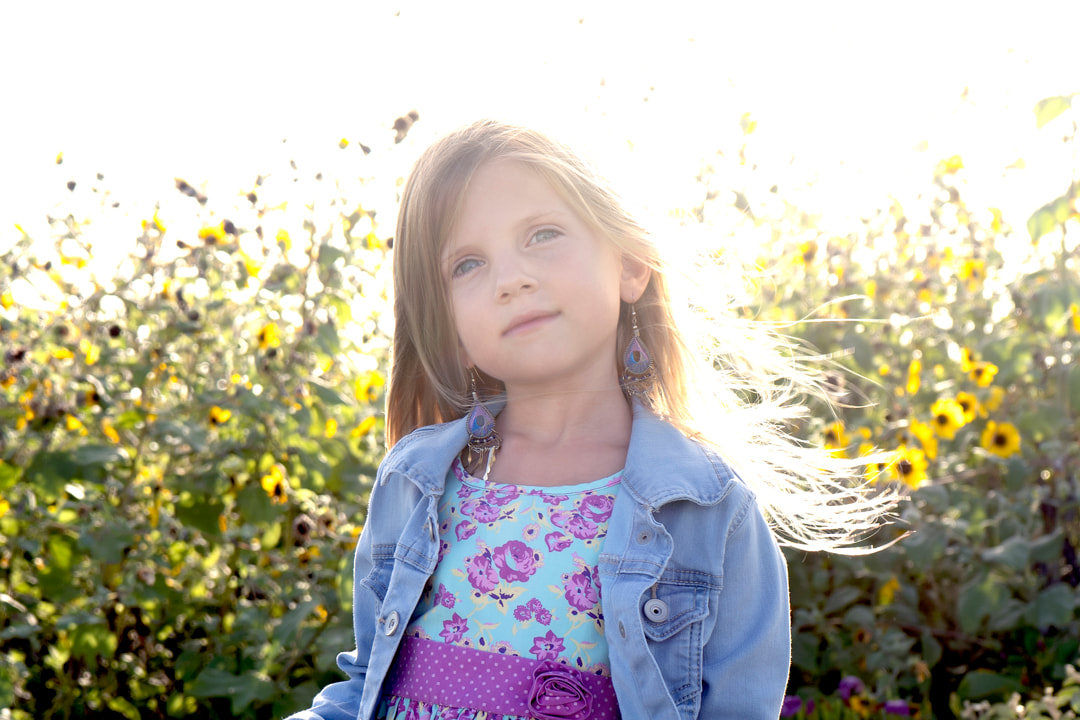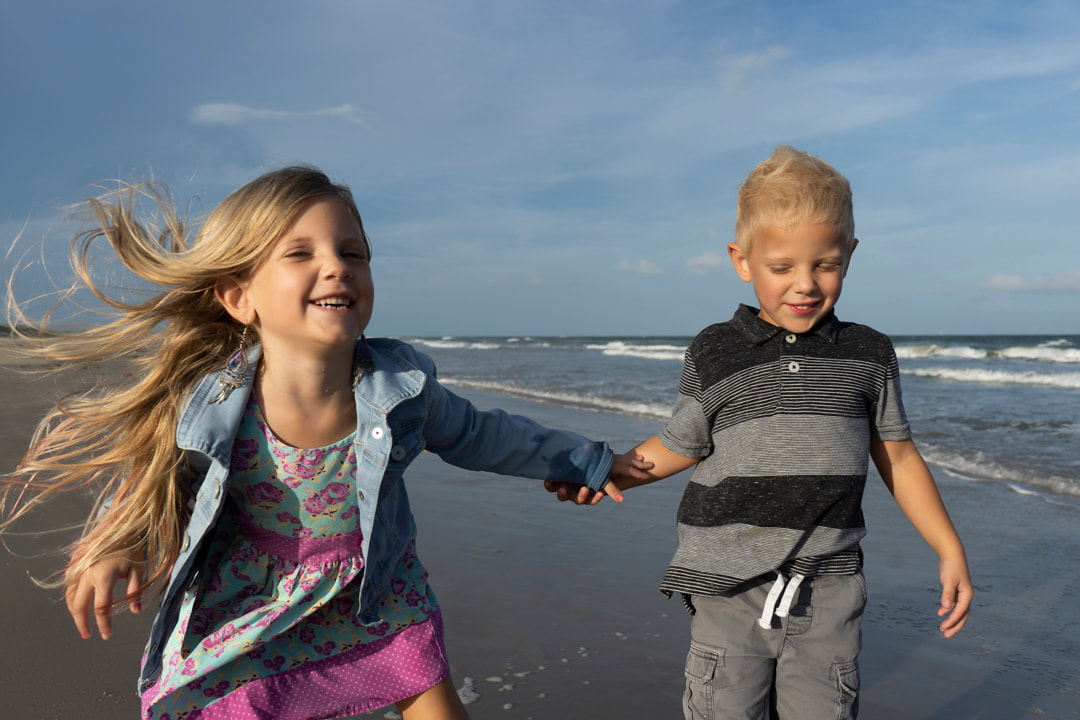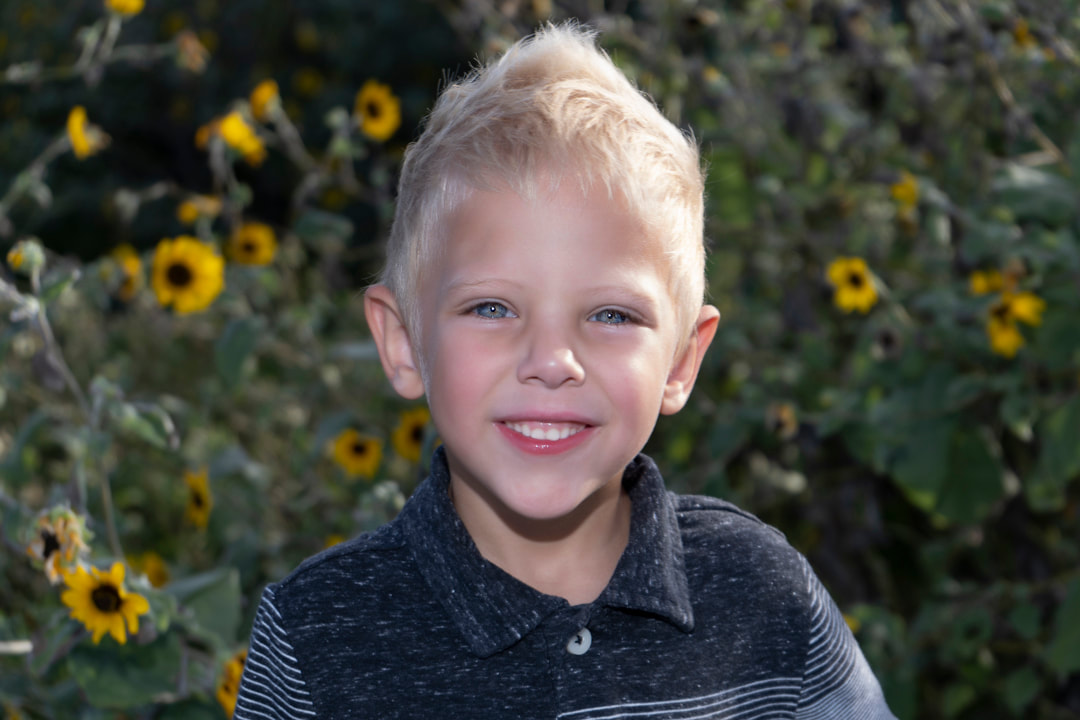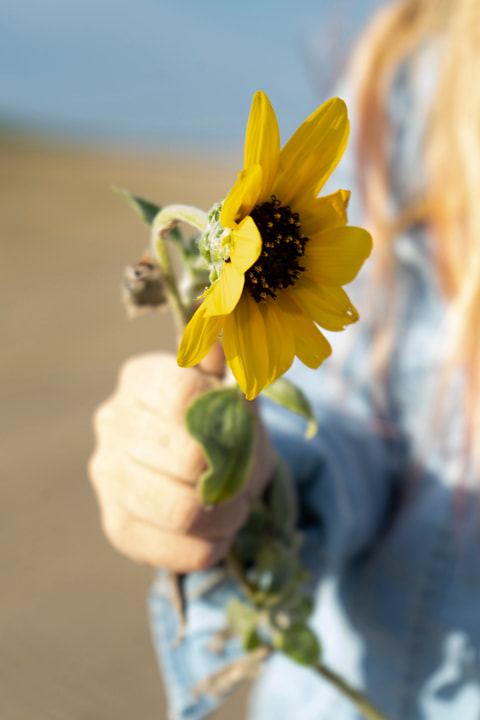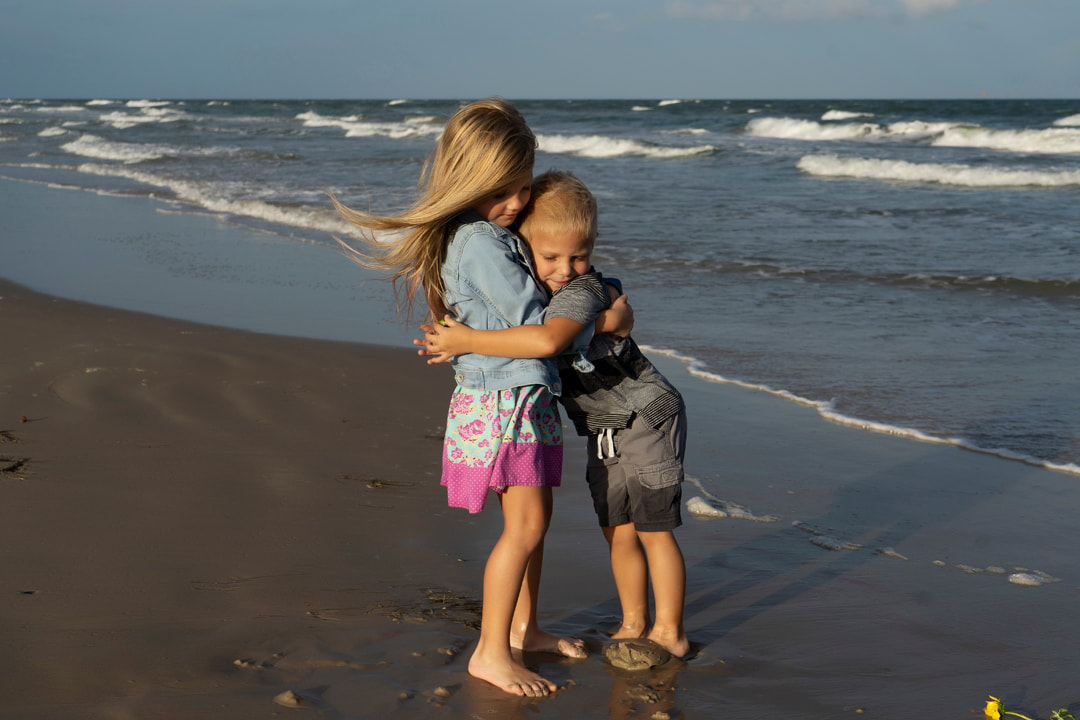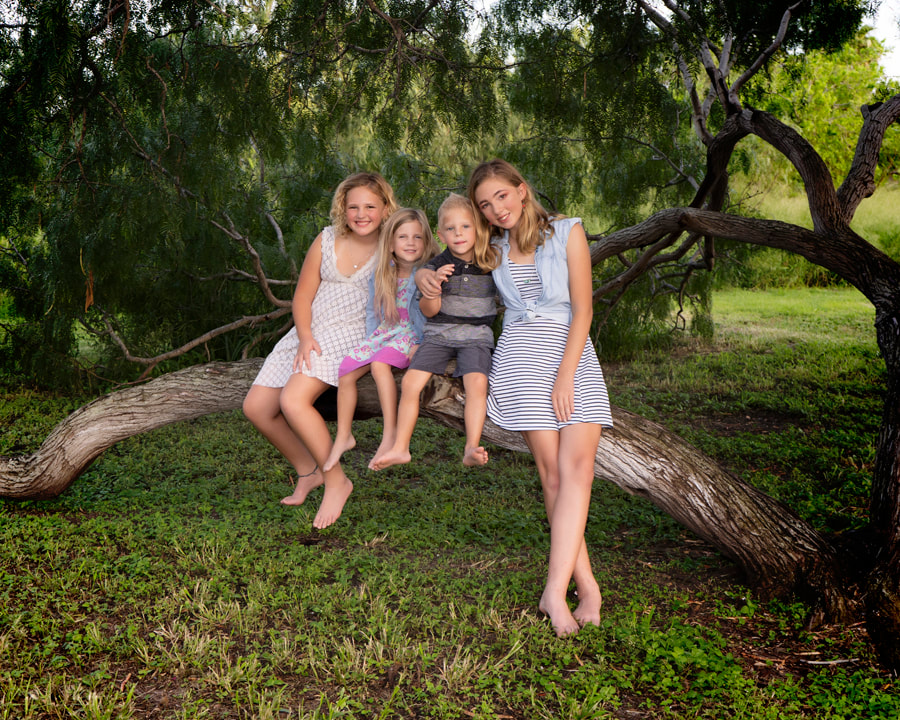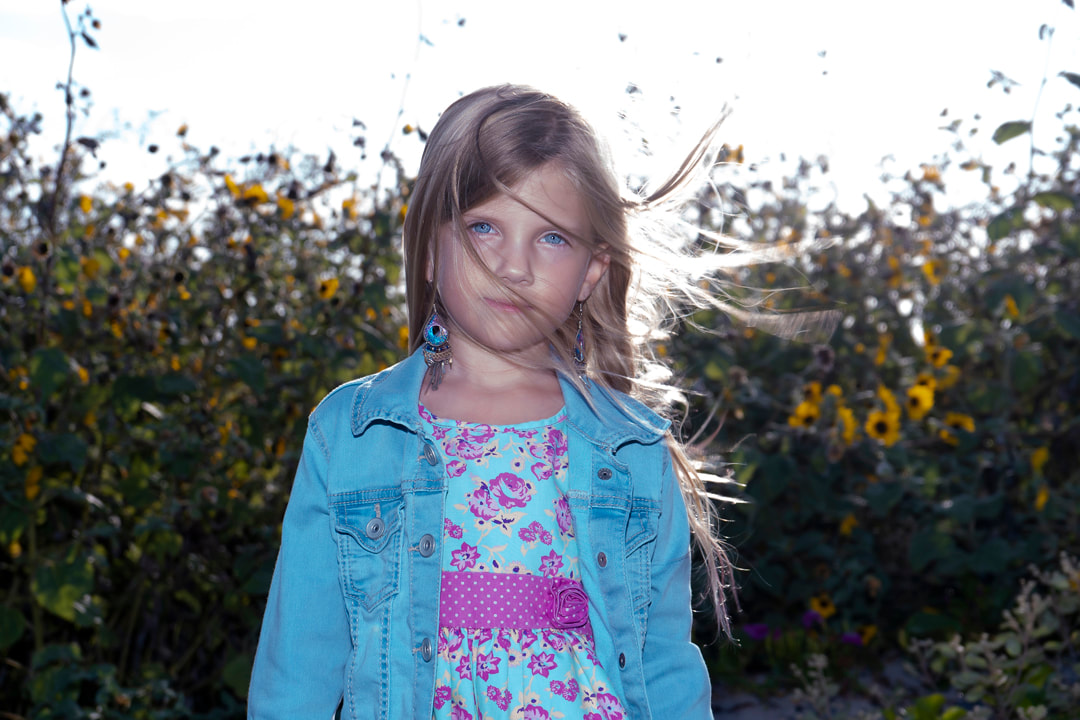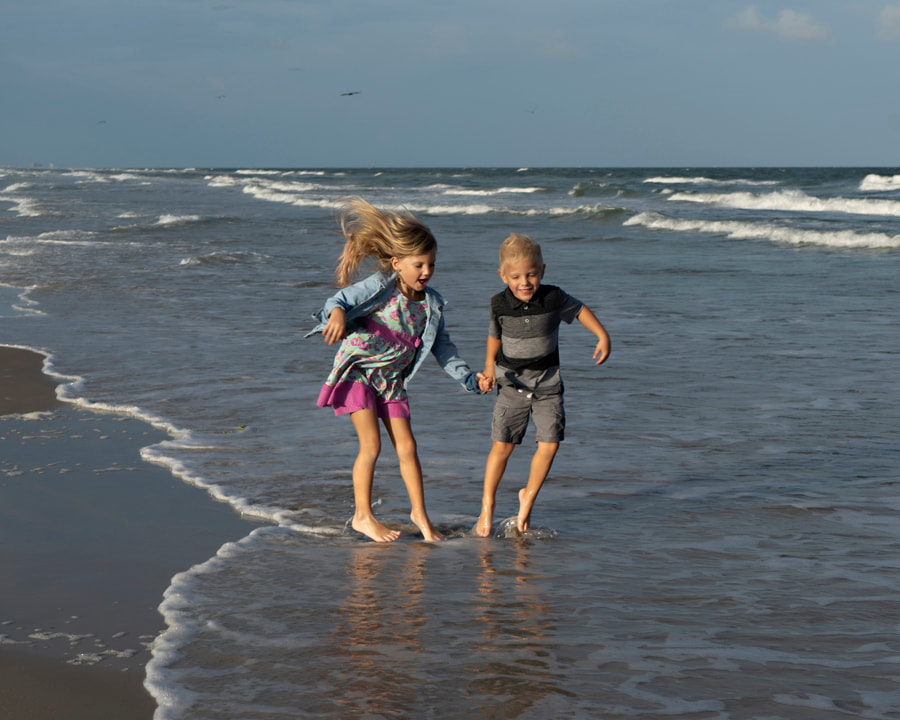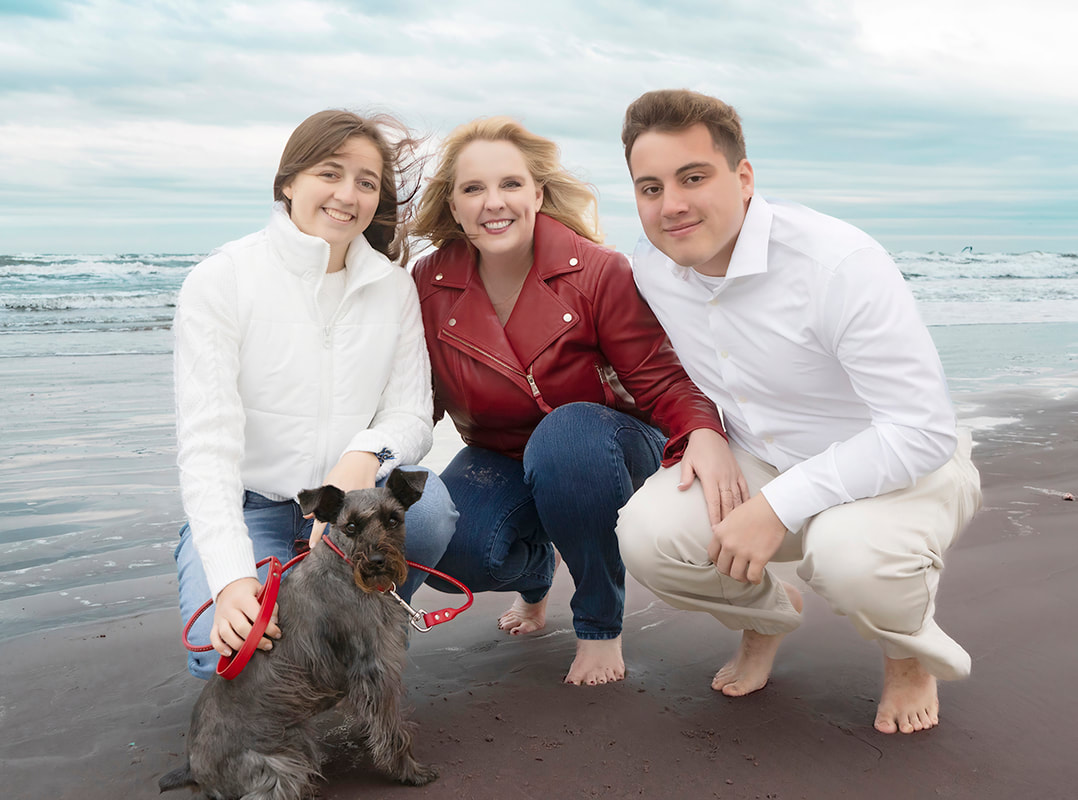
Just like that, another round of Corpus Christi senior portraits is officially in the books. Watching this year's seniors step in front of the camera, find their confidence, and walk away with images that actually look like them never gets old. To everyone who trusted me with this chapter, thank you. You made it a good one. But here is the thing about senior season. The minute it ends, a whole new group of students moves up. If you are a junior right now, that means you. You are about to be a senior, and it is not one bit too early to start thinking about your senior photos. Why Book Your Fall Senior Session Now I know fall feels far away. Trust me, it is closer than it looks. The students who book early are the ones who get the dates they want, the locations they have been dreaming about, and the calm, unhurried experience that comes from planning ahead instead of scrambling at the last minute. Booking now means you can simply cross it off the list. No senior year stress about squeezing a session in between college applications, sports, and everything else that fills up that final year. Get it handled, then spend the rest of senior year actually enjoying senior year. Early fall in the Coastal Bend also gives us some of the prettiest light of the entire year. Softer skies, that golden glow as the days shift, and weather that finally cooperates. As a Corpus Christi senior photographer, this is my favorite window to shoot, and the best dates go fast. Here's a Cap and Gown Secret Want the classic cap and gown shots but do not have one yet? Here is the good news. You almost certainly know someone who does. The seniors who just graduated from your school are done with theirs, and right now is the perfect time to borrow one from a friend before it gets tucked away or tossed. Same school, same gown, same colors. The only thing that will be off is the year on the tassel, and I have you covered there. I can swap it so your portraits say exactly what they should. You get the timeless cap and gown look, with all the details correct, without spending a dime on something you only need for one session. Senior Photos for Every Coastal Bend School Whether you are heading into your senior year at Carroll, King, Ray, Veterans Memorial, Flour Bluff, Calallen, Moody, London, Tuloso-Midway, or any other school across the Coastal Bend, I would love to create your senior portraits. Every session is built around you, your style, and the places in Corpus Christi that mean something to you. Let's Get You On the Calendar Senior portraits are one of the few times in life where the whole point is to celebrate you. The version of you right now, standing at the edge of something big. That deserves more than a rushed afternoon and a phone snapshot. If you are a Corpus Christi or Coastal Bend junior heading into your senior year, let's start the conversation. Reach out, tell me a little about what you have in mind, and we will find a fall date that works. The seniors who plan ahead always end up with the smoothest experience and the most options, so let's make sure you are one of them. Class of 2027, your turn is coming. Let's make it beautiful. The left image is how I see myself... but the right is accurate and how others see me.
There's a moment that happens in almost every headshot session. The client walks over to the screen, sees themselves for the first time, and something flickers across their face. A small hesitation. A little pull of the mouth. And then, nine times out of ten, the same sentence: "I don't know, it just doesn't look like me."
I had a headshot client recently who happens to hold a master's in psychology, and we got into a fascinating conversation about this exact moment. Why it happens. What's going on in the brain when a person sees their own face on a screen and feels like something is off. That conversation is what made me want to sit down and write this, because it turns out there are real, well-studied reasons behind that little flicker, and none of them have to do with the photo being bad. If you're planning a headshot session, I want to tell you about this moment ahead of time. Not to talk you out of it, and not because it's a problem. It's one of the most interesting quirks of how human brains work, and once you understand it, you walk into your session with completely different expectations. You also walk out with an image you actually trust. Here's what's going on. Your mirror has been lying to you for years The face you see in the mirror every morning is flipped. Your part is on the other side, your slightly-higher eyebrow is on the other side, the tiny asymmetries that make your face your face are all reversed. You have looked at this flipped version of yourself thousands of times. Your brain has decided, quietly and without asking you, that this is what you look like. A photograph shows you un-flipped. That's the version every other human being in your life has been looking at. Your partner, your kids, your coworkers, the barista who remembers your order. They all know the real you. You, weirdly, know the mirror you. So when you see a photo, every asymmetry is on the "wrong" side. Nothing is technically wrong with the image. Your brain just isn't used to it. Psychologists call this the mere exposure effect. We prefer what we've seen most often, and you have seen mirror-you a lot. Your phone has also been lying to you Selfies are not what you look like. I say this with love. The lens on a phone camera, held at arm's length, distorts the face in very specific ways. It widens the nose, flattens the cheekbones, and pushes forward whatever is closest to the lens. It's a fisheye effect, just a gentler one than you'd see in a skate video. A professional portrait lens used at the proper distance does the opposite. It renders your features in their actual proportions, the way a person standing across from you at a dinner party would see you. This is almost always more flattering than a selfie, and yet it can feel unfamiliar, because you've been studying a distorted version of your own face on your phone for years. So when your headshot looks a little different from your phone photos, that's usually the distortion being removed, not added. A photo captures one specific millisecond In the mirror, you are never actually still. You're tilting your chin half a degree, softening your eyes, settling your shoulders, adjusting without realizing it. You are, in effect, live-editing yourself. By the time you've committed to a mirror-face, you've already ruled out a hundred micro-expressions that didn't make the cut. A camera doesn't get to do that. It catches one exact moment. Sometimes that moment is a fraction before a real smile lands, or right as you inhale, or mid-thought. This is part of what a professional session is solving for. We're making lots of frames, directing lots of small adjustments, and selecting the moments that actually look like the you you recognize. That's why a good headshot session isn't about finding "the one" shot. It's about finding the frame where everything aligned the way your mirror-brain expects it to. The secret nobody tells you Here's the research that changed how I explain this to clients. A psychologist named Nicholas Epley ran a study where he showed people a few versions of their own face. The real photo, a slightly enhanced version, and a slightly worse version. People overwhelmingly identified the enhanced version as the accurate one. Read that again. We walk around with a mentally upgraded self-portrait in our heads. It's a little prettier, a little sharper, a little more symmetrical than the actual us. That's the "me" we expect to see when we look at a photo. So when your headshot shows you the real, un-upgraded version, there's a small gap between what you expected and what's on the screen. That gap is almost never about the photo being bad. It's about the mirror being a very generous editor, and your imagination being even more generous than that. What this means for your session Knowing all of this, here's what I'd tell you before you come in. The first time you see your headshot, give it a minute. That first-glance reaction is your brain comparing a real image to an imaginary one. It's not a verdict on the photo. Look at it again an hour later. Look at it the next day. Show it to someone who loves you and watch their face, because they're looking at the real you and recognizing it immediately. A headshot isn't supposed to look like your mirror. It's supposed to look like you, the version the world already knows, captured with proper light, proper lens, and proper timing. That version is usually more flattering than you think. It just takes your brain a beat to catch up. Ready to see the real you? If you've been putting off a headshot because you don't think you photograph well, I'd gently push back on that. What you're probably remembering are selfies and candids that had every bit of lens distortion and bad timing working against you. A proper session, with the right equipment, the right light, and someone in your corner guiding the small stuff, is a completely different experience. You end up with an image that looks like the you your people already recognize. Frequently Asked QuestionsWhy don't I look like myself in pictures?Your brain has memorized the mirror version of your face, which is horizontally flipped. A photo shows you un-flipped, the way everyone else sees you. Every tiny asymmetry appears on the "wrong" side. The photo is accurate, but it looks unfamiliar because you've never actually seen yourself that way. Do I look more like my mirror reflection or a photograph?You look like the photograph. The mirror version is reversed, so the photo shows the face your friends, family, and coworkers recognize. If people who love you see a picture of you and say it looks just like you, trust them. They're seeing the real you, not the flipped one. Why does my nose look bigger in selfies?Phone cameras held at arm's length create barrel distortion. Whatever is closest to the lens, usually your nose, gets enlarged, while your ears and jawline get pushed back. A portrait lens used at proper distance in a studio eliminates this effect and shows your features in true proportion. Why do I look better in the mirror than in photos?Research by psychologist Nicholas Epley found that people mentally store a slightly enhanced version of their own face. When you look in the mirror, you're also making constant micro-adjustments to your expression and angle without realizing it. A camera captures one specific millisecond, with no live editing and no mental upgrade applied. How long does it take to get used to seeing yourself in a headshot?Give it at least 24 hours before you judge it. Your first-glance reaction is your brain comparing the real image to the idealized one it carries around. Most clients come back the next day and see the photo completely differently. Showing the image to someone who knows you well also helps, because they recognize you immediately. What's the best way to look natural in a headshot?Work with a photographer who uses proper portrait equipment, shoots at a proper distance, and captures many frames so you have room to settle in. The goal isn't one perfect pose. It's creating enough options that a few frames catch the exact expression your people recognize as you. Wet Silver Photography Studio is here in Corpus Christi at 6702 S Staples Street, and I'd love to show you what that looks like in person. Whether you need a polished headshot for LinkedIn, a new author or realtor photo, a personal branding image, or just something you can use for the next five years without cringing, let's book a session. Come in knowing everything you just read, trust the process, and walk out with a picture that actually feels like you. You can reach out through wetsilver.com to get on the calendar. I can't wait to meet you. Meet Erin Adair of Zenfinity Apothecaria: A Conversation on Plant Medicine, Nervous System Regulation, and Coming Home to Yourself I recently had the privilege of sitting down with Erin Adair, the clinical herbalist and holistic energy practitioner behind Zenfinity Apothecaria right here in Corpus Christi. If you've been following her work, you already know she's not someone who does anything halfway... her formulations are rooted in over 2,500 hours of clinical study, her approach is deeply personal, and her presence is the kind that makes you slow down just a little the moment you meet her. I wanted to interview Erin because her philosophy resonates so much with what I believe about my own work. We both create from a place of intention, we both want our clients to feel seen and celebrated, and we both understand that the most meaningful transformations happen when a woman is given the space to come back to herself. Whether that's through a boudoir session in my studio or a custom tincture from her apothecary, the goal is the same... helping women feel more grounded, more confident, and more like themselves. In our conversation, Erin opens up about the meaning behind her brand name, the very real difference between clinical herbalism and trendy tea blending, her RITUAL Collective line of skin care and tinctures, and what it actually looks like when a woman comes home to herself. Her answers are honest, thoughtful, and full of the kind of wisdom that only comes from doing the work yourself before guiding anyone else through it. Grab your favorite drink, settle in, and let's get into it. What does Zenfinity Apothecaria mean? Zenfinity Apothecaria is a reflection of what I had to learn the hard way. I spent years pushing through, ignoring my body, thinking I could outwork stress and burnout, until I couldn't anymore. That experience changed how I look at healing and how I show up for other people. The name came from that shift. Zen is the grounding I had to come back to, learning how to be present and actually listen to what my body was asking for. Infinity is what I realized along the way. Healing is not something you fix once and move on from. It keeps unfolding as you grow, and it asks you to stay connected to yourself. Apothecaria is the foundation of everything I do. It is the plants, the formulations, and the hands-on work that allow me to support people in a real and practical way. Put together, it represents my approach. Helping people get out of survival mode, reconnect with their body, and support it in a way that actually creates lasting change. How did you go from your own healing journey to building this as a business in Corpus Christi? It did not start as a business. It started with me hitting a point where I could not keep living the way I was living and feeling the way I was feeling. I was exhausted, disconnected, and pushing through everything like most people do, until my body made it clear that was not sustainable. When I finally slowed down, I started listening in a different way. Not just to symptoms, but to what my body was holding. Stress, patterns, emotions, all of it. That is where the deeper work began. Herbalism was a big part of that, learning how to support the body physically, but it did not stop there. I started working with energy, with the nervous system, and understanding how much of our health is tied to what we carry and what we have not processed. That process changed me. Not just physically, but in how I moved through the world. People around me felt that shift. They started asking questions, asking for help, wanting to understand what I was doing and how they could feel that way too. What started as helping people close to me turned into creating formulas, holding space, and working with people in a much deeper and more intentional way. Being in Corpus Christi played a role in that growth. It is a community where people value connection, and word travels when something genuinely helps. I did not build this by trying to sell something. I built it by showing up, being consistent, and doing work that people could actually feel. What I do now is not separate from where I started. It is an extension of it. I help people come out of survival mode, support their body with plants, and work through the layers that are keeping them stuck, physically, mentally, and energetically. That is how it became a business. It grew from real change, real connection, and people being ready for a different way of healing. You are a clinical herbalist and holistic energy practitioner. For people that do not know the difference, what does the training actually involve? People tend to group the two together, but they are actually very different in how they are trained and how they support the body. Clinical herbalism is rooted in understanding the body in a real, physiological way. You are studying anatomy, digestion, the nervous system, and how everything in the body is connected. From there, you move into materia medica, which is learning the plants, what they do, how they interact with the body, and how to formulate properly. My training in herbalism alone is well over 2,500 hours of focused study and clinical application, and I am always continuing my education. This is not something where you just learn a few herbs and you are done. You have to understand how to apply them, how to combine them, and how to work with the body instead of against it. There is also a lot of focus on intake and pattern recognition. You are not just looking at one symptom, you are looking at the whole person and what their body is actually asking for. My background as a massage therapist and instructor added a whole different layer to that. It gave me a hands-on understanding of the body, how tension shows up, how stress lives in the tissue, and how the nervous system responds. Teaching it forced me to really understand it, not just do it. Holistic energy work is different, but it ties in. That training focuses more on the nervous system, stress response, and how the body holds onto things physically and energetically. It is about learning how to help the body release tension, regulate, and come out of that constant state of stress. That can look like sound work, stillness, or hands on or distance based practices that help the body settle. The way I work brings both together. Herbalism supports the physical body. Energy work helps the body actually receive that support. When you understand both, you are not just chasing symptoms. You are working with what is underneath them in a way that is more complete and actually lasts. What sets a clinical herbalist apart from someone just blending teas from Pinterest? There is a significant difference between combining herbs and practicing clinical herbalism. A recipe can be followed by anyone, but that does not account for the individuality of the person using it, their physiology, their nervous system state, or what is actually driving the imbalance. Clinical herbalism is rooted in assessment and application. I am not selecting herbs based on a single symptom. I am looking at patterns within the body, digestive function, stress response, inflammatory pathways, and how different systems are interacting. From there, I formulate with intention. That includes understanding phytochemistry, how different plant constituents act on the body, and how to create synergy within a formula. Certain herbs amplify each other, some buffer intensity, and others direct the formula where it needs to go. That level of formulation is very different from simply combining herbs that are individually known for something. Method of extraction also matters. Teas have their place, but many of the compounds I work with require alcohol extraction to be fully bioavailable. Tinctures allow for a broader range of constituents to be accessed, and they offer precision in dosing that is not always possible with a standard infusion. There is also an understanding of contraindications, interactions, and how to work safely with the body over time. That comes from training, clinical application, and continued education. At the end of the day, I am not blending based on trends or generalized recipes. I am formulating based on the person in front of me, using plant medicine in a way that is specific, synergistic, and designed to support the body as a whole. Nervous system regulation is central to everything you do. Why is that the starting point for you instead of targeting specific systems? I start with the nervous system because it is what everything else in the body responds to. You can go straight into supporting digestion, hormones, or inflammation, but if the body is stuck in a constant stress response, it is not going to respond the way you want it to. When someone is in that state, the body is focused on survival, not repair. Digestion slows, hormones shift, inflammation increases, and you start seeing symptoms show up across multiple systems. That is usually when people feel like everything is off at once. If I skip that and go straight into targeting one system, I am not really getting to the root of it. You might see some relief, but it usually does not last because the body is still operating from that same stressed state. When you start with regulation, everything changes. The body becomes more receptive. Digestion improves, absorption improves, and the systems you are trying to support actually begin to respond. That is why my work always comes back to that foundation. Herbalism supports the physical body, but the nervous system is what determines how well that support is received. Once that piece is in place, you can go deeper and get results that actually hold. Tell me about the RITUAL Collective. It feels like a philosophy, not just a product line. It is a philosophy. The products are just how it shows up. RITUAL Collective is where my skin care, my tinctures, and my higher-end teas come together. It all came from the same place. I got tired of seeing people rush through everything, especially when it comes to their health and their body. Taking something quick, putting something on, and moving on without actually paying attention. This is the opposite of that. It is about slowing down and being intentional with what you are doing. Your skin is part of your body. What you take internally matters just as much. It is all connected, and I wanted something that reflected that. The formulations are not random. Every plant is there for a reason. How it functions, how it absorbs, how it works with everything else in the formula. That level of detail matters to me. With the skin care, there is also an aromatherapy element that comes through when you apply it. That part is intentional. Scent goes straight to the nervous system, so it is not just about what the product is doing for your skin, it is also about how it helps your body slow down and settle in that moment. It has to feel good. The texture, the experience, the way it pulls you back into your body. Elevated, but still real. Not overdone, not complicated, just intentional. That is why it feels like more than a product line. It is something people can come back to every day. Something that brings them back into their body instead of pulling them further away from it. For someone brand new to plant medicine, where would you tell them to start? Start simple. Most people come into plant medicine wanting to fix everything at once, and that is usually where they lose consistency or get overwhelmed. You do not need a shelf full of products. You need a few things that actually make sense for your body. I always tell people to start by paying attention. Look at your energy, your digestion, your sleep, your stress levels. Your body will tell you where the support is needed if you slow down enough to notice it. From there, choose something foundational. That could be a simple tea, a single herb, or a well-formulated tincture that supports what you are actually experiencing. Not what is trending, not what someone else is doing, just what your body is asking for. Consistency is what makes the difference. Plant medicine is not about taking something once and expecting everything to shift overnight. It works with the body over time, so giving it that space matters. I also think it is important to respect it. Just because it is natural does not mean it is something you use without understanding it. Even a basic level of knowledge goes a long way. If you can keep it simple, stay consistent, and actually pay attention to how your body responds, that is where you start to see real change. What's one ritual you do every day and you think more people should try? I step outside every day and spend time with the plants, not just looking at them, but actually connecting with them. Slowing down enough to feel what is around me instead of rushing past it. There is an energy to plants that people forget about. They are steady, grounded, and fully present. When you take a moment to be with that, your body starts to mirror it. I ground myself at the same time, feet on the earth, letting everything settle and come back into alignment. It becomes less about doing something and more about returning to something. Letting your body remember what it feels like to not be in a constant state of stress or distraction. Most people are so disconnected from that rhythm. Always moving, always thinking, always pulled in different directions. Spending even a few minutes with plants each day brings you back into something real. It reconnects you, not just to nature, but to yourself. Which blend or product are you personally obsessed with right now, and why? Right now, it is my Immortal Botanical Skin Elixir and my Elevate tincture. Immortal is something I use every single day without even thinking about it anymore. It is not just sitting on the surface making your skin look good for a moment. You can feel it actually working with your skin over time. The way it absorbs, the texture, the scent when you apply it, it naturally slows you down. It turns into a moment where you are actually present instead of rushing through it. Elevate is what I reach for internally. It keeps me grounded and steady. It supports my mood, my nervous system, and helps me stay balanced without feeling like I am pushing or forcing anything. It is subtle, but when you are consistent with it, you feel the shift. Using both together just feels right to me. One is supporting my skin, the other is supporting what is happening underneath it, especially when it comes to stress and regulation. It feels complete. Not rushed, not forced, just consistent support that actually holds over time. What's the biggest myth about herbalism you'd love to dismantle? That just because something is natural, it is automatically safe or that you can take whatever you want and it will work the same for everyone. That is probably the biggest one I see. People treat herbs like they are casual, like you can just grab something online, mix a few things together, and hope for the best. It does not work like that. Plants are active. They do something in the body. If you do not understand what you are using, you are either going to get no result or the wrong one. Some herbs can also interact with medications in ways people do not realize, and that can be dangerous. That is why it matters to actually know what you are working with or to reach out to someone who does. Not everything online is formulated correctly, and not every product is what it claims to be. I have dedicated my life to this. Studying it, applying it, continuing to learn, and working with people in a real way. This is not a trend for me, and it is not something I take lightly. There is also this idea that herbalism is simple, like it is just tea blends or trends you see floating around. It is not. There is a lot of depth behind it. You are looking at the body, the nervous system, digestion, patterns, and then choosing plants based on how they actually function and how they work together. Plants need to be respected. They are powerful. When you work with them intentionally, they can support the body in a real way. When you treat them casually, you miss that completely. That is the difference for me. It is not about grabbing something natural and hoping it works. It is about knowing what you are doing and working with the body in a way that actually makes sense. What is it like running a wellness business rooted in ritual and slow living in a coastal city? It is a mix of things, honestly. There is a natural beauty here that aligns with the work I do. Being near the water, surrounded by plants, having space to slow down, it makes it easier to stay connected to what I am teaching. People feel that when they are around it. They are craving something that helps them slow down and come back into their body, and this environment supports that. At the same time, building a business does not always move at that same pace. There is still pressure to stay visible, to create, to keep things moving, even when your message is about slowing down. That balance can be challenging, and it forces you to stay really intentional with how you show up. Not everyone understands this work, or me. I have been judged for my beliefs, especially the spiritual side of what I do. Some people are open to it, some people are not, and I have had to get comfortable with that. It has pushed me to be more grounded in who I am and not water down my work just to make it more acceptable. There are also the realities of being in this space. Regulations, misconceptions, and people treating it like a trend instead of something that requires real knowledge and respect. That part takes patience and consistency. Overall, it keeps me aligned. I am living in an environment that reflects the work I do, and that holds me accountable to it every day. You talk about helping women "come back to themselves." What does that return look like in real life? It feels like a remembering, not becoming someone new but coming back to something that was always there underneath everything that pulled her away from herself. It happens when a woman slows down enough to actually hear what is going on inside of her instead of constantly responding to everything around her, and that shift alone starts to change how she moves through her life. You begin to see it in her presence. She is more grounded, more aware, and not as scattered or pulled in every direction because she is no longer operating from a place of constant stress or disconnection. There is a softness to her, but there is also a strength in that softness because she is no longer abandoning herself to keep up with everything else. There is a deeper level of trust that comes back online. She is not second guessing every decision or looking outside of herself for validation because she can actually feel what is right for her, and she is willing to honor that without overthinking it. That kind of alignment changes everything, from how she shows up in her relationships to how she takes care of her body. Her body responds to that shift in a very real way because it is no longer being pushed past its limits all the time. Things begin to regulate, not because she is forcing an outcome, but because she is finally in a state where her body feels supported enough to function the way it is meant to. At the end of the day, it is a return to self. A reconnection that feels steady and real, and once she experiences that, it becomes something she protects instead of something she is willing to lose again. A Few Final Thoughts Talking with Erin reminded me why I love collaborating with other women in business here in the Coastal Bend. Her work is a beautiful reminder that taking care of yourself is not a luxury, it's the foundation for everything else, and the way she shows up for her clients is something I deeply respect. If you're inspired by this conversation and want to experience Erin's work for yourself, I cannot recommend her enough... her formulations, her presence, and her heart for this work are all the real deal. And if reading this sparked something in you, that quiet voice saying maybe it's time to celebrate yourself, too, I'd love to meet you at Wet Silver Photography for a family or senior portrait session, or over at Wet Silver Boudoir for an experience that will remind you exactly how beautiful you already are. Sometimes coming back to yourself looks like slowing down with plants, and sometimes it looks like stepping in front of a camera and letting someone reflect your magic back to you. Either way, you deserve to be seen. xoxo, Lori By Lori Stead | Wet Silver Photography One of the questions I get most often from families planning their session is: "Where should we shoot?" Corpus Christi has more variety than most people realize. Depending on the look and feel you're going for, you could have lush greenery, crashing waves, urban murals, or rustic trails, all within a short drive of each other. Here are my four favorite outdoor locations for family portraits in Corpus Christi, and what makes each one special. Hans Suter Wildlife Refuge: Lush and Green If you want that rich, verdant backdrop that looks nothing like a typical South Texas session, Hans Suter is the spot. The refuge has a beautiful network of green trails that photograph with a depth and richness that surprises most people who haven't been there. My favorite feature is the log bridge. It makes for a naturally beautiful setting that adds real visual interest to portraits without feeling forced or staged. This location works especially well for families who want something organic and nature-forward rather than the classic beach look. The soft, filtered light through the trees is also very flattering, which never hurts. Padre Island National Seashore: The Classic Beach Session There is a reason beach sessions are so beloved, and Corpus Christi has miles of beautiful coastline to work with. For family portraits specifically, I recommend arriving about an hour before sunset. The light at that time of day is warm, golden, and incredibly flattering. It does half the work for us. My preferred access point is Michael Ellis Beach. The reason is practical but important: there is a proper parking lot there, which means your family arrives relaxed instead of stressed about getting a vehicle stuck in the sand. Nothing derails a session faster than a stressful start, and I always want your experience to be easy from the moment you pull in. The beach works beautifully for families who want something timeless and coastal. Bare feet, soft waves in the background, warm golden light. These are the kinds of images that end up on living room walls for decades. Downtown Corpus Christi: Urban and Creative Downtown is my go-to for families who want something a little different. The T-Heads marina gives you gorgeous waterfront backdrops with a relaxed, coastal-city feel. The murals scattered throughout downtown add bold color and a creative energy that works beautifully for families with personality to spare. This location is perfect if your family leans toward a more modern, editorial aesthetic rather than a traditional portrait look. It also photographs strikingly at golden hour, when the light hits the water and the buildings in a way that feels almost cinematic. Oso Wetlands Wildlife Preserve: Rustic and Unique For families who want something off the beaten path, Oso Wetlands offers a setting you won't find anywhere else in Corpus Christi. The gravel trails and rustic wooden fencing give portraits a warm, textured quality that feels timeless without being predictable. It is a quieter, less-visited location, which means fewer interruptions and a more relaxed pace during your session. This is a wonderful option for families who want their portraits to feel natural and unhurried, with a setting that has genuine character. How to Choose the Right Location for Your Family My honest recommendation: choose the location that feels most like you. If your family spends every weekend at the beach, do the beach session. If you love the outdoors and nature, Hans Suter or Oso Wetlands might feel more authentic. If you're a downtown-coffee-shop kind of family, go urban. The best family portraits happen when everyone feels comfortable and at home in their surroundings. The location should feel like a natural extension of who your family actually is, not a backdrop you posed in front of. Not sure which location is right for you? I'm happy to talk it through during your planning consultation. Every Wet Silver Photography family session includes a pre-session conversation so we can make sure everything is set up for success before we ever pick up a camera: location, outfits, and timing. Ready to book your Corpus Christi family session? Call or text me at 361-445-4661 or visit wetsilver.com to get started. By Lori Stead | Wet Silver Photography
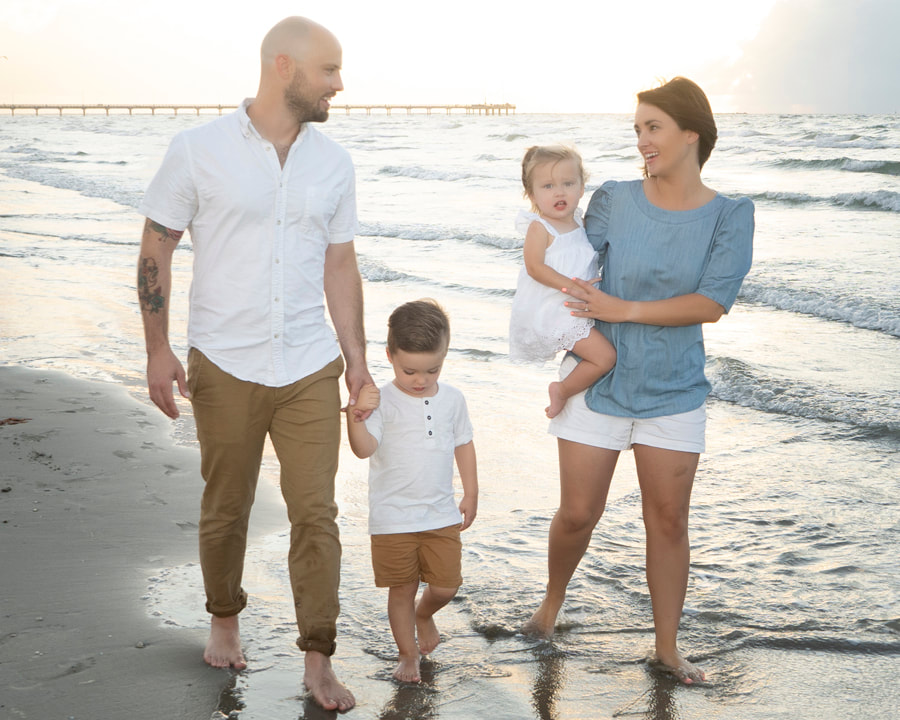
One of the most common questions I get from families before their session is: "What should we wear?" It sounds simple, but outfit choices can make or break your family portraits. After more than 20 years photographing families here in Corpus Christi, I've seen what works, what doesn't, and what photographs beautifully against the backdrop of the Texas coast. Here's my complete guide to dressing your family for portraits you'll actually want to hang on your wall. Start With One Piece and Build Around ItThe easiest way to coordinate outfits without everyone looking like they're in a uniform is to start with one statement piece. Usually that's mom's outfit, since women's clothing tends to have more color and pattern variety. Once you have that anchor piece, pull colors from it for everyone else. If mom is wearing a flowy dusty rose dress, dad might wear a light grey or navy shirt, and the kids can wear soft whites, creams, or muted tones that complement without competing. You don't need to match. You need to coordinate. Choose a Color Palette, Not a Single ColorMatching head-to-toe in the same color can actually flatten your photos and make everyone blend together. Instead, choose two or three colors that work well together and mix them across your family. Some palettes that photograph beautifully here in Corpus Christi, especially for beach and outdoor sessions:
Think About Your LocationCorpus Christi has some beautiful settings for family portraits: the beach, the bay, Heritage Park, and local parks and green spaces. Your outfits should complement your environment, not clash with it. For beach sessions, light and airy fabrics in soft, neutral tones photograph beautifully against the sand and water. Flowy dresses, linen shirts, and bare feet are classic for a reason. For more urban or studio sessions, you have a little more flexibility with richer colors and structured clothing. What to Know About Fabric and FitA few practical tips that make a real difference in your final images: Flowy and relaxed wins. Stiff, uncomfortable clothing translates to stiff, uncomfortable people. When everyone feels good in what they're wearing, it shows. Avoid heavy horizontal stripes. They can be unflattering and distracting in photos. Subtle patterns, soft textures, and solid colors are the safest bets. Fit matters more than brand. A well-fitting outfit from anywhere will always photograph better than an ill-fitting designer piece. Make sure sleeves are the right length, shirts are tucked if they're meant to be, and nothing is pulling or bunching. Bring a backup for little ones. If you have toddlers or babies, pack a spare outfit. Spills happen, and the last thing you want is a wardrobe emergency 10 minutes before your session. A Note on Seasonal Dressing in South TexasWe all know Corpus Christi weather has its own agenda. Even in fall and winter, temperatures can be warm, so dress for the actual weather rather than the calendar. Light layers can work well if you want the look of a fall session. A light denim jacket or soft cardigan over a summer dress can give you that feel without overheating everyone. Golden hour sessions in Corpus Christi, typically in the last hour before sunset, are my favorite for families. The light is warm and flattering, so slightly warmer color tones in your clothing tend to look stunning. When in Doubt, AskEvery family session at Wet Silver Photography includes a planning conversation before we ever pick up a camera. I'm happy to look at your outfit ideas and give feedback before your session day. A quick photo sent by email or text can save a lot of second-guessing. My goal is for you to walk away with images that look like you: natural, warm, and timeless. The right outfits are a big part of making that happen. Ready to book your Corpus Christi family session? Call me at 361-445-4661. I'd love to work with you. Wet Silver Photography is located at 6702 S Staples St, Ste B, Corpus Christi, TX 78413. Serving Corpus Christi and the Coastal Bend by appointment.
3/31/2026
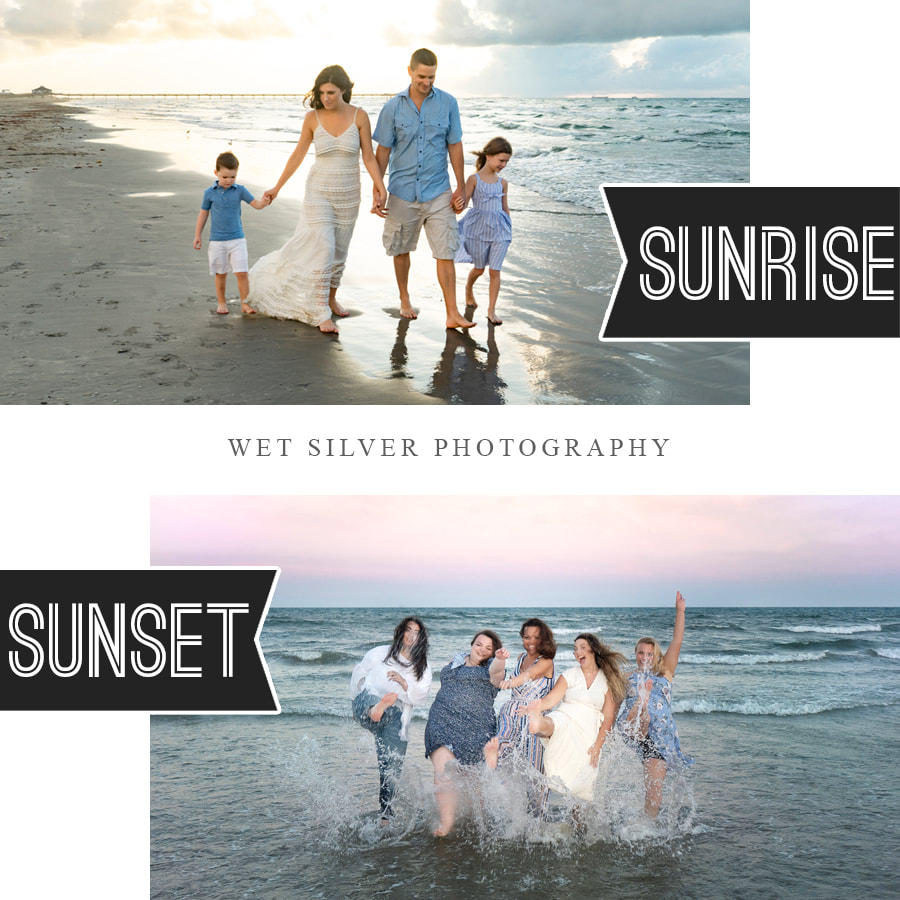
The Best Time to Schedule Your Maternity Session (And Why It Matters More Than You Think) So you're pregnant, you're glowing, and somewhere between registering for the eleventh different type of swaddle blanket and trying to decide on a nursery theme, someone asks you about maternity photos. And now you're wondering... when exactly is the right time? Here's the short answer: around seven months, or about 28 to 32 weeks. Here's the longer answer, because I think it's worth understanding why - and it'll make you feel a lot better about the whole thing. Your Belly Is at Its Best At seven months, that bump has fully arrived and it is gorgeous. It's round, it's full, and it photographs beautifully. There's a shape to it at this stage that is just stunning in portraits - the kind of silhouette that you'll want blown up on a canvas in your living room for the next twenty years. Earlier in the third trimester, the belly can look a little less defined in photos. And further along, the shape shifts as baby starts dropping and getting ready for the big debut. But right there at 28 to 32 weeks... that's the sweet spot. Trust me on this one. You Actually Feel Good Okay, this part is important, and I don't think people talk about it enough. By seven months, the first trimester fog has lifted, your energy is back, and most mamas are feeling genuinely great. You're strong, you're excited, you're glowing... and you're not yet at the stage where everything swells and your hips feel like they've staged a full revolt. Maternity sessions involve some movement - posing, walking, sitting on the ground, maybe trekking through some sand at the beach. At 28 to 32 weeks, most women can do all of that comfortably and actually enjoy themselves. And that shows in your photos, it really does. A relaxed, comfortable mama makes for the most beautiful portraits. Swelling Is Still Pretty Minimal I hear this concern all the time, and it's a valid one! Swelling is totally normal in the third trimester, but it tends to get much more noticeable in those final weeks. At seven months, most mamas aren't dealing with significant swelling yet. Your face looks like your face, your hands look like your hands, and that ring you've been wearing all pregnancy probably still fits. These might sound like small things... but when you're looking back at these photos years from now, you'll be glad we captured you before all that set in. It Gives You a Little Breathing Room Here's a very practical reason that I feel strongly about: babies do not always arrive on schedule. Shocking, I know. If you wait until 36 or 37 weeks to schedule your session, you're cutting it really close, and if your little one decides to show up early, you may not get your session at all. Booking around seven months gives you plenty of flexibility, and if something comes up - a conflict, an off day, one of those days where you just don't feel like yourself - we have room to adjust without anyone panicking. You'll Have More Options Whether you're dreaming of a golden hour session at the beach, a beautiful studio shoot, or something cozy and in-home, seven months gives us the most to work with. You're mobile, you're comfortable, and you have the stamina to really enjoy the experience. For outdoor sessions here in the Coastal Bend, we schedule around the best light - sunrise or that magical hour before sunset. At seven months, you'll be perfectly comfortable walking on the beach or through a park at golden hour. A few weeks later... that same walk might feel very different! So When Should You Actually Book? My honest advice is to reach out as early as you can, even if your due date feels far away. We can hold a tentative date based on your due date and firm everything up as you get closer. Good time slots fill up fast, especially those sunset sessions everyone loves. If you're in your second trimester right now and reading this... hi! This is your sign. Reach out! This Season Is Worth Preserving Pregnancy moves faster than anyone warns you about. That belly that feels so big and so present right now will be a memory before you know it, and you will want photos of it. Beautiful, professionally done photos that capture how radiant you looked and how much love was already in the air before your baby even arrived. Seven months is the sweet spot. Let's make it count. Ready to schedule your maternity session? Give me a call or send a text at 361-445-4661, or shoot me an email at [email protected]. I'd love to work with you!
1/19/2026
Senior Portraits Aren’t Just Photos They’re a Pause Button on a Fast-Moving Season Senior year has a strange way of speeding up time. One minute you’re shopping for backpacks and school supplies. The next, you’re talking about graduation dates, college plans, and what comes after. Senior portraits exist for one reason: to slow this moment down long enough to remember it. This Is a Once-Only Version of Them Your senior is standing at a crossroads. They’re still a kid in a lot of ways. But they’re also becoming someone new. Senior photos aren’t about pretending they’re already an adult or clinging to childhood. They’re about capturing exactly who they are right now: style, personality, confidence, quirks and all. Because this version? You don’t get it back. What Makes a Senior Session Different This isn’t a rushed, cookie-cutter photo shoot. A senior session should feel: ~Relaxed, not awkward ~Personalized, not posed for the sake of posing ~Confident, not forced ~True to who they are ~We talk beforehand about: ~Locations that actually fit their vibe ~Outfits that feel like them, not a costume ~How they want to be remembered at this moment ~And yes, guidance is built in. No one is expected to know how to pose or what to do. For Parents: This One’s for You, Too Let’s be honest. Senior portraits hit parents differently. These photos aren’t just announcements or yearbook submissions. They’re the last professional portraits before everything changes. They become: ~The image on the graduation announcement ~The framed photo in your home ~The one you look at when the house feels a little quieter That’s why quality matters. That’s why intention matters. For Seniors: This Is Your Moment This session isn’t about looking like anyone else. It’s about: ~Confidence without pressure ~Style without trends dictating everything ~Feeling seen instead of “just smiling” ~Walking away knowing, “Yeah… that actually looks like me.” Senior portraits should feel empowering, not embarrassing. You deserve photos you’re proud to share. The Goal Isn’t Perfect. It’s Meaningful. Trends will change. Haircuts will change. Styles will evolve. But the confidence, emotion, and authenticity captured in senior portraits? That’s what lasts. This season deserves more than a quick snapshot. It deserves to be remembered well. -- If you’re starting to think about senior portraits—whether graduation feels far away or suddenly way too close—I’d love to help you plan a session that actually means something. Because senior year doesn’t slow down. But photos can make sure you don’t forget it. When you book a family session, one of the first questions that comes up is, “What should we wear?”
It’s a fair question because your wardrobe sets the tone for your images. But here’s the secret: you don’t need to match. You need to coordinate. Why “Matching” Dates Your PhotosGone are the days of everyone in white shirts and jeans. Matching outfits can make your photos look flat, overly posed, and dated. Coordinating, on the other hand, brings harmony and visual interest to your images. It allows each person’s personality to shine while keeping the group cohesive. Think of your family’s clothing choices like a color palette made up of different tones, textures, and layers that complement one another. Choose a Color Palette, Not a UniformStart by picking two to three base colors and one or two accent tones. For example:
Texture Adds DepthMixing materials like knits, linen, denim, lace, or corduroy adds richness and interest to your photos. Texture photographs beautifully, especially in outdoor light. Coordinate, Don’t CompeteEvery outfit should look like it belongs in the same story but not like it came from the same rack. If someone wears a patterned dress, balance it with solids on the others. If one child wears a bold color, let everyone else’s tones be softer. The goal is to create a cohesive visual flow, not a distraction. Consider Location and SeasonOutfits should make sense in the setting. Flowy neutrals work beautifully on the beach or in open fields. Cozy sweaters and boots fit perfectly for fall sessions. Always keep the environment in mind when planning your wardrobe because it will help your photos feel natural and intentional. Comfort Over PerfectionIf you’re uncomfortable, it shows. Choose clothes that fit well and allow movement, especially for kids. Avoid anything too tight, shiny, or covered in large logos. The best photos happen when your family can just be themselves. When in Doubt, Ask Your PhotographerI am always to help my clients finalize their wardrobe choices before their session. Whether that’s reviewing outfit photos or helping you refine a color palette, I’m here to make sure your family looks incredible together. Simply reach out at any time! Ready to book your next family session? Let’s create portraits that feel as natural as they look beautiful. Your Headshot Speaks Before You Do In today’s digital world, your headshot is often your first impression. It appears on your website, your LinkedIn profile, your company bio, and even in your email signature. Whether you are a business owner, real estate agent, executive, or creative professional, your headshot tells the world who you are long before you meet in person. A professional headshot is not just about looking good. It communicates confidence, trustworthiness, and authenticity. At Wet Silver Photography, we specialize in creating headshots that reflect your unique personality and brand while maintaining a polished, professional look. When to Update Your Headshot If your current photo is more than two years old, it is time for a refresh. Our faces, styles, and personal brands change over time, and your image should change with them. Here are a few signs that you may need to update your headshot:
Why Choose Wet Silver Photography Our sessions are designed to make you look confident and approachable. We use flattering lighting, expert posing, and professional direction to capture your best angles and expressions. You can choose between studio sessions for a timeless, clean look or on-location branding sessions that tell a fuller story about your work and personality. Book Your Session An outdated headshot can hold back your professional image. Visit Wet Silver Photography Headshots to book your session today. Your next opportunity might be just one updated image away. It’s a question that comes up more often than you’d think: Should I tip my photographer? Whether it’s a boudoir session, a family portrait, or professional headshots, clients often wonder what the etiquette is when it comes to tipping for photography services.
The Short Answer: No, tips are not expected. But are they appreciated? Absolutely. Photography is a professional service, and most photographers (myself included) price their sessions to reflect the full value of their time, talent, and work. That includes not only the time spent during your session, but also the hours editing images, preparing galleries, placing orders, and handling communication before and after your shoot. So if tipping isn't expected, why do some people do it? Tipping is a personal decision, and it usually comes from a place of gratitude. Maybe the photographer went above and beyond to make you feel confident, calm your toddler, or deliver an incredible final product ahead of schedule. A tip is one way to say, “Wow. That was amazing, and I see the extra care you put into this.” Other Ways to Show Your Appreciation (That Aren’t Monetary):
There’s no obligation to tip your photographer. We don’t expect it, and you’ll get the same care and creativity regardless. But if you feel moved to do so, we receive it with genuine appreciation. Have questions about what’s included in your session or how to best prepare? Feel free to reach out—I'm always happy to walk you through it. |
"Lori is an exceptional photographer, and was my first choice for capturing images of my son for his senior pictures!! She made him feel at ease immediately, traveled to the locations he was interested in, and captured who he is perfectly!" ~ Tonia R.
AuthorLori Stead is a fine art portrait photographer in Corpus Christi, TX. She enjoys creating maternity, newborn, seniors, couples, family, children, and boudoir portraits. She is also a wife, mother of four, and adventurer. Archives
June 2026
CategoryAll Before And After Family Portraits Newborn Photography Projects |
Visit us on google maps
For the ultimate in fine art portraiture, call Lori Stead, photographer - Wet Silver Photography 361-445-4661
|
Copyright 2026, Wet Silver, LLC
Hours: Sunday - Thursday from 8AM - 5PM by appointment
After hours are also available. |
|


RSS Feed